
Fire Suppression Systems
Fire suppression systems are essential safety measures that protect buildings and structures from the devastating effects of fire. These systems, also known as fire extinguishing systems, use a variety of techniques to detect and extinguish fires before they can cause significant damage or injury. In this blog post, we will explore the different types of fire suppression systems and how they work to keep us safe.
Types of Fire Suppression Systems
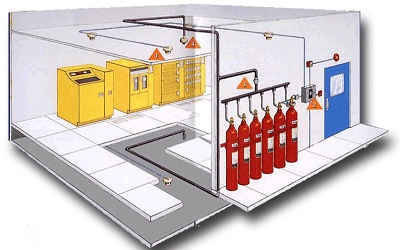
There are several different types of fire suppression systems available, each with their own unique features and benefits. Some of the most common types include:
- Sprinkler systems: These systems use a network of pipes and valves to distribute water or other fire-extinguishing agents throughout a building. When a fire is detected, the sprinkler system activates and sprays water or other agents onto the fire, extinguishing it.
- Foam systems: These systems use foam to smother and extinguish fires. Foam systems can be used in a variety of settings, including industrial facilities, airports, and oil and gas production sites.
- CO2 systems: Carbon dioxide (CO2) systems use the gas to extinguish fires. CO2 systems are often used in computer rooms, data centers, and other areas where electrical equipment is present.
- Dry chemical systems: These systems use dry chemical powders to extinguish fires. Dry chemical systems are commonly used in industrial settings, such as factories and warehouses.
How Fire Suppression Systems Work
Fire suppression systems use a combination of sensors and actuators to detect and extinguish fires. These systems typically include:
- Fire detectors: These devices, such as smoke detectors or heat sensors, detect the presence of fire and send a signal to the control panel.
- Control panel: The control panel receives signals from the fire detectors and activates the fire suppression system.
- Actuators: These devices, such as sprinkler heads or foam nozzles, release the fire-extinguishing agents onto the fire.
In summary, fire suppression systems are critical safety measures that protect buildings and structures from fire damage. These systems use a variety of techniques, such as sprinklers, foam, CO2, and dry chemicals, to detect and extinguish fires. It is important to have proper installation and regular maintenance to ensure the fire suppression system is in optimal working condition.